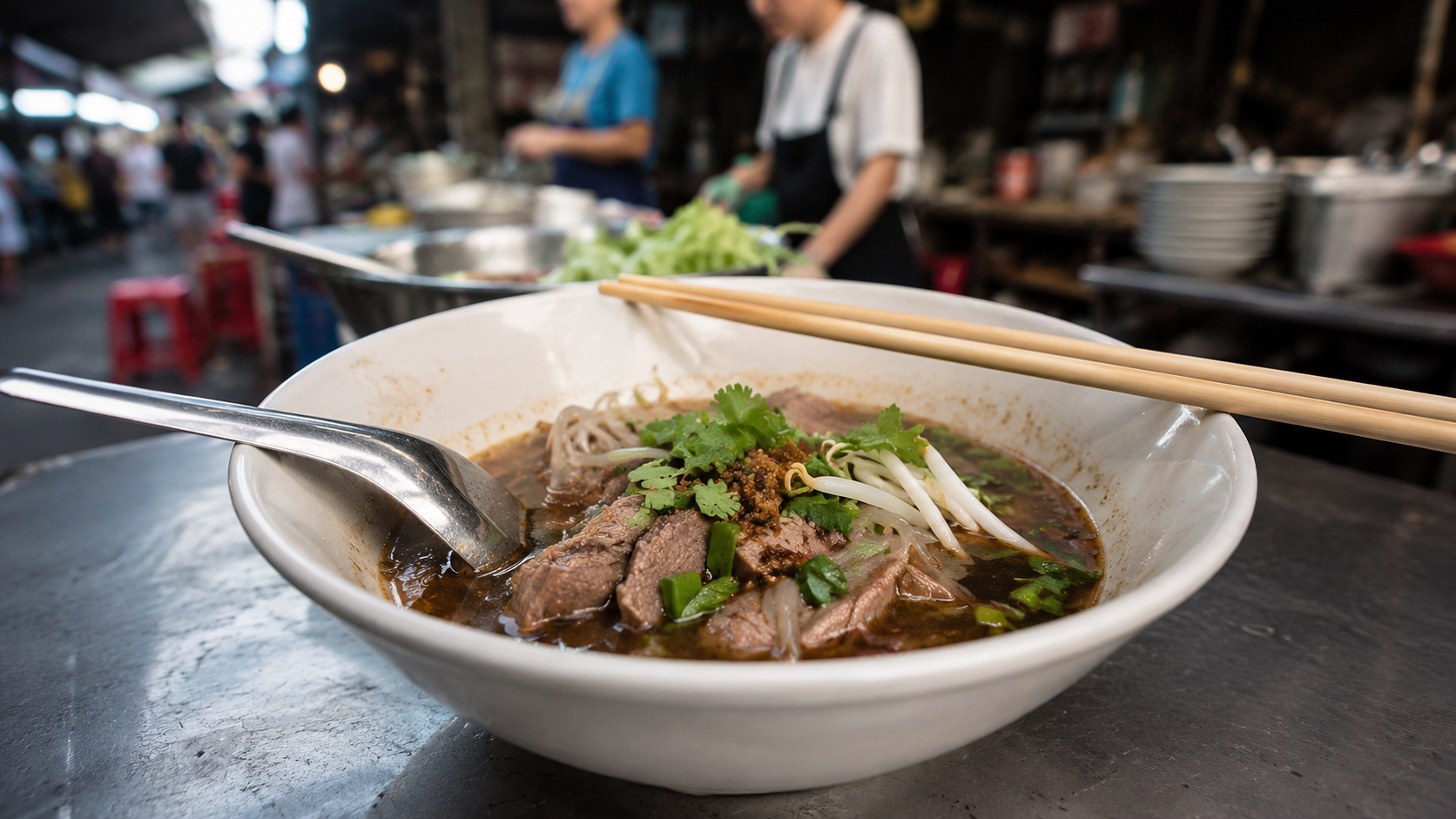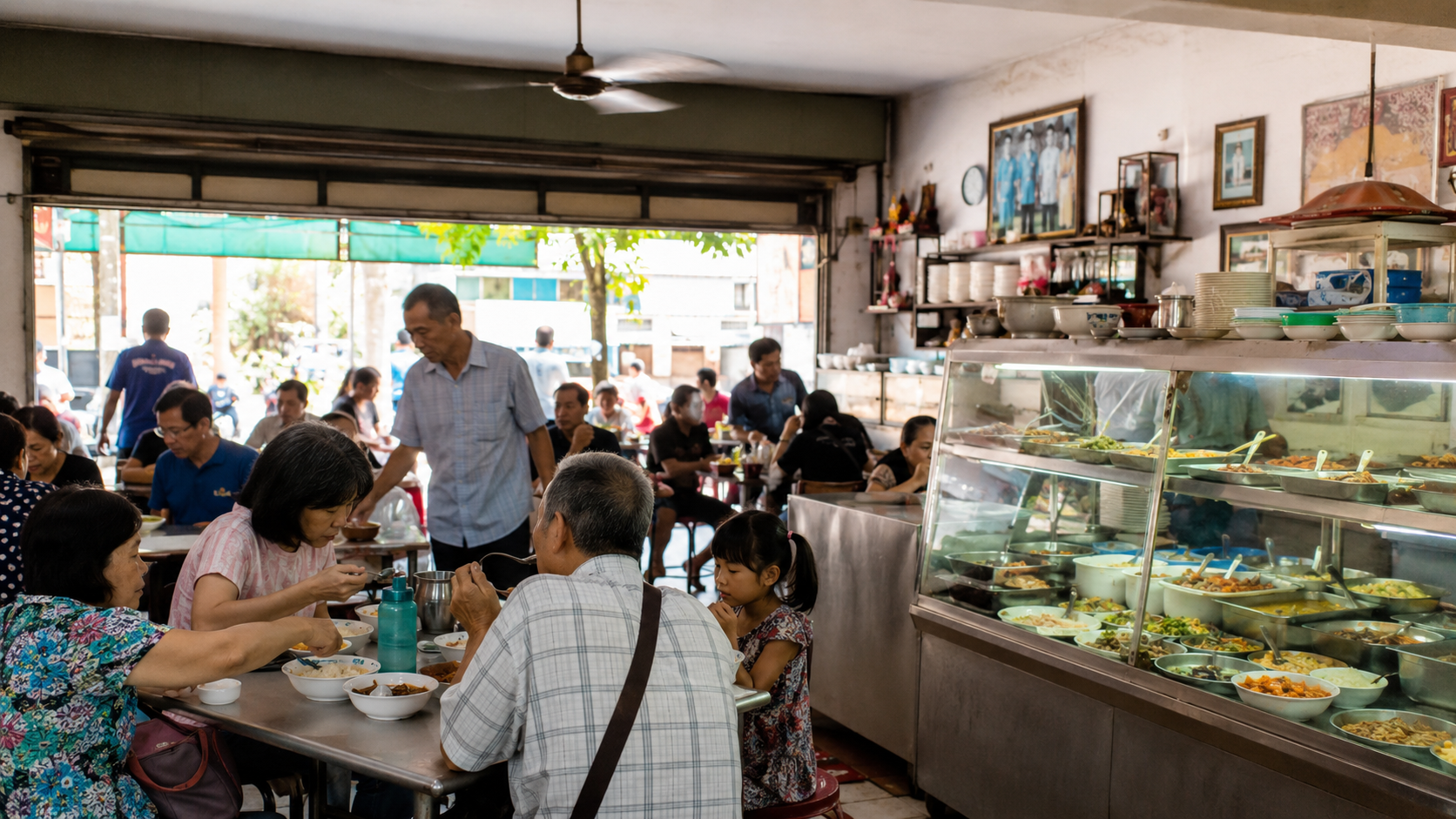
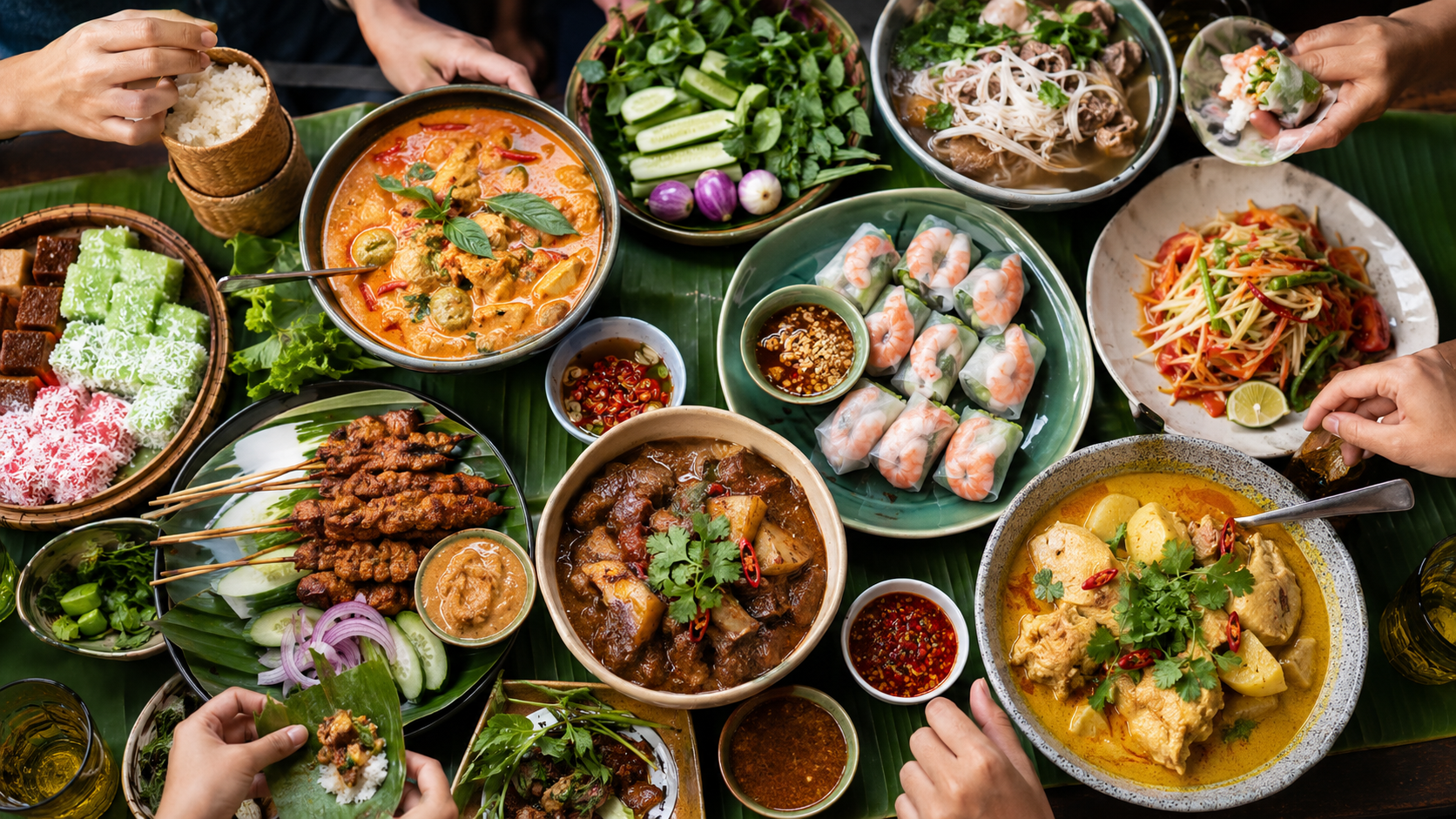
Walk into any halfway ambitious grocery store in North America or Europe today and you will find sriracha next to the ketchup, fish sauce in the condiment aisle, and frozen bags of roti prata beside the pizza rolls. Twenty years ago these were speciality-shop items. Now they are ordinary. Something has shifted, and it goes far deeper than a trend cycle.
The Long Road From "Exotic" to Essential
Southeast Asian cuisine spent decades being flattened into a single category on Western menus — a vague idea of noodles, coconut milk, and chilli. Thai restaurants served the same twelve dishes whether they were in Melbourne or Minneapolis. Vietnamese food meant pho, full stop. The complexity of Lao, Burmese, and Cambodian cooking barely registered at all.
What changed was not a single event but a slow accumulation of forces. Diaspora communities grew and matured. A generation of cooks trained in classical European kitchens went home and started asking why their own traditions were not taken as seriously. Social media — particularly short-form video — made it possible for a som tam vendor in Udon Thani to reach a million viewers without ever speaking to a journalist.
The Chef Factor
It is impossible to talk about this shift without mentioning the chefs who refused to simplify. Gaggan Anand turned Indian and Thai techniques into a tasting menu that topped the Asia's 50 Best list. Chef Ton's Jay Fai earned a Michelin star while still cooking over charcoal in a shophouse on Maha Chai Road. In Vietnam, Peter Cuong Franklin built Anan Saigon around the idea that Vietnamese street food deserved the same intellectual respect as French bistro cooking.
These chefs did not water down their food to make it approachable. They insisted on full-strength flavour and dared diners to meet them there. The world, it turned out, was ready.
Ingredients Drive Everything
Perhaps the most underrated factor is supply chain. You cannot cook real gaeng som without fresh turmeric root, krachai, and tamarind paste that has not been sweetened into submission. Twenty years ago, sourcing these outside of Asia required a network of aunties and a suitcase. Today, cold-chain logistics and speciality importers have made it possible for a restaurant in Portland to receive Thai basil harvested in Nakhon Pathom within forty-eight hours.
This ingredient access has created a feedback loop. Better ingredients lead to more authentic dishes, which build a more educated audience, which demands better ingredients. The spiral goes upward.
Why It Matters
The significance of this moment is not about trendy restaurants or Instagram-worthy bowls of laksa. It is about a region's food traditions finally being understood on their own terms — not as a cheaper alternative to Japanese or French cuisine, but as a culinary tradition of extraordinary depth, with fermentation techniques that predate European cheesemaking and spice combinations that have been refined over centuries.
The moment is real. Whether it lasts depends on whether the world keeps listening to the cooks and grandmothers who built these cuisines, or whether it settles for the watered-down version. If the last decade is any indication, the real thing is winning.