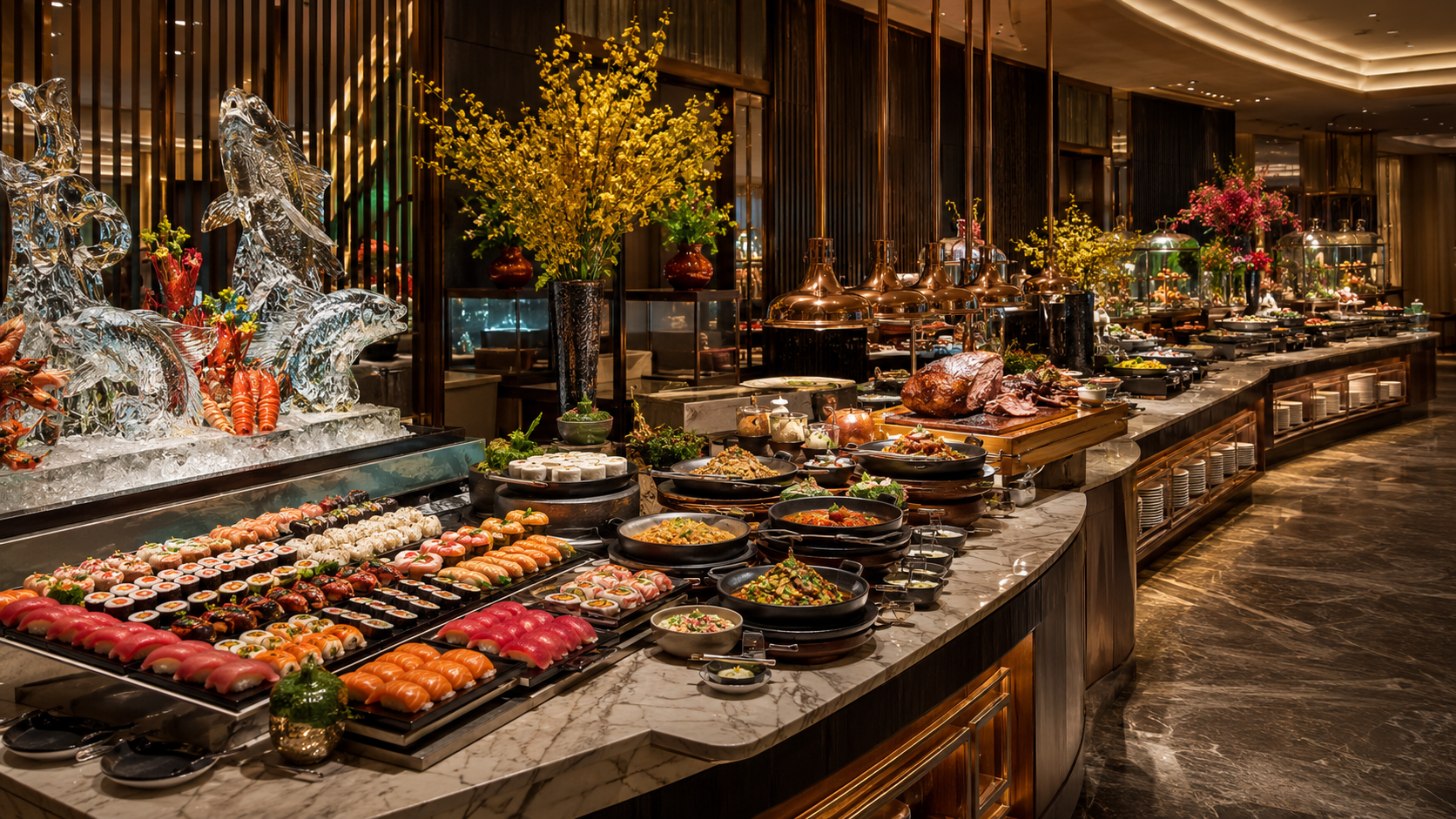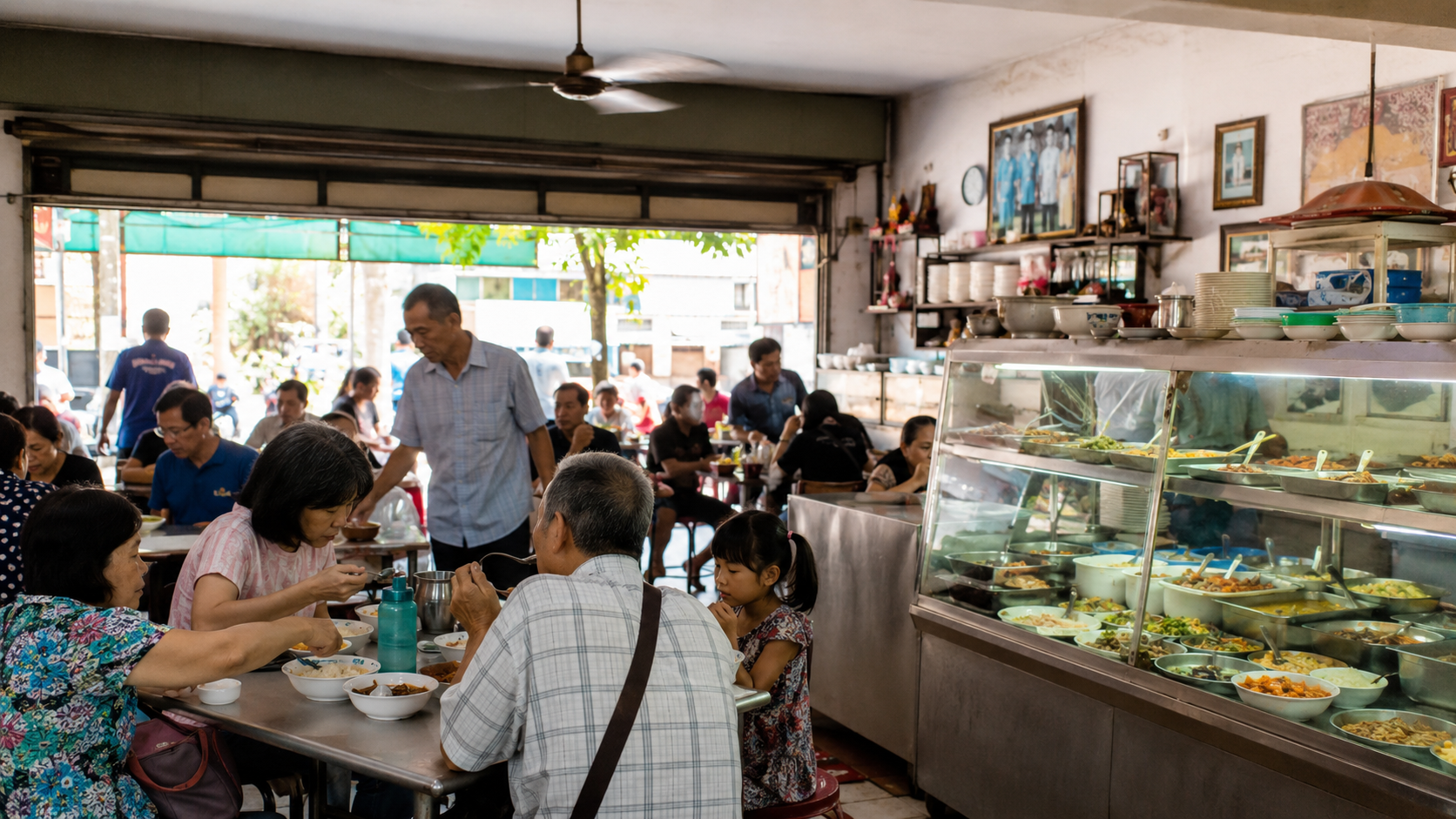
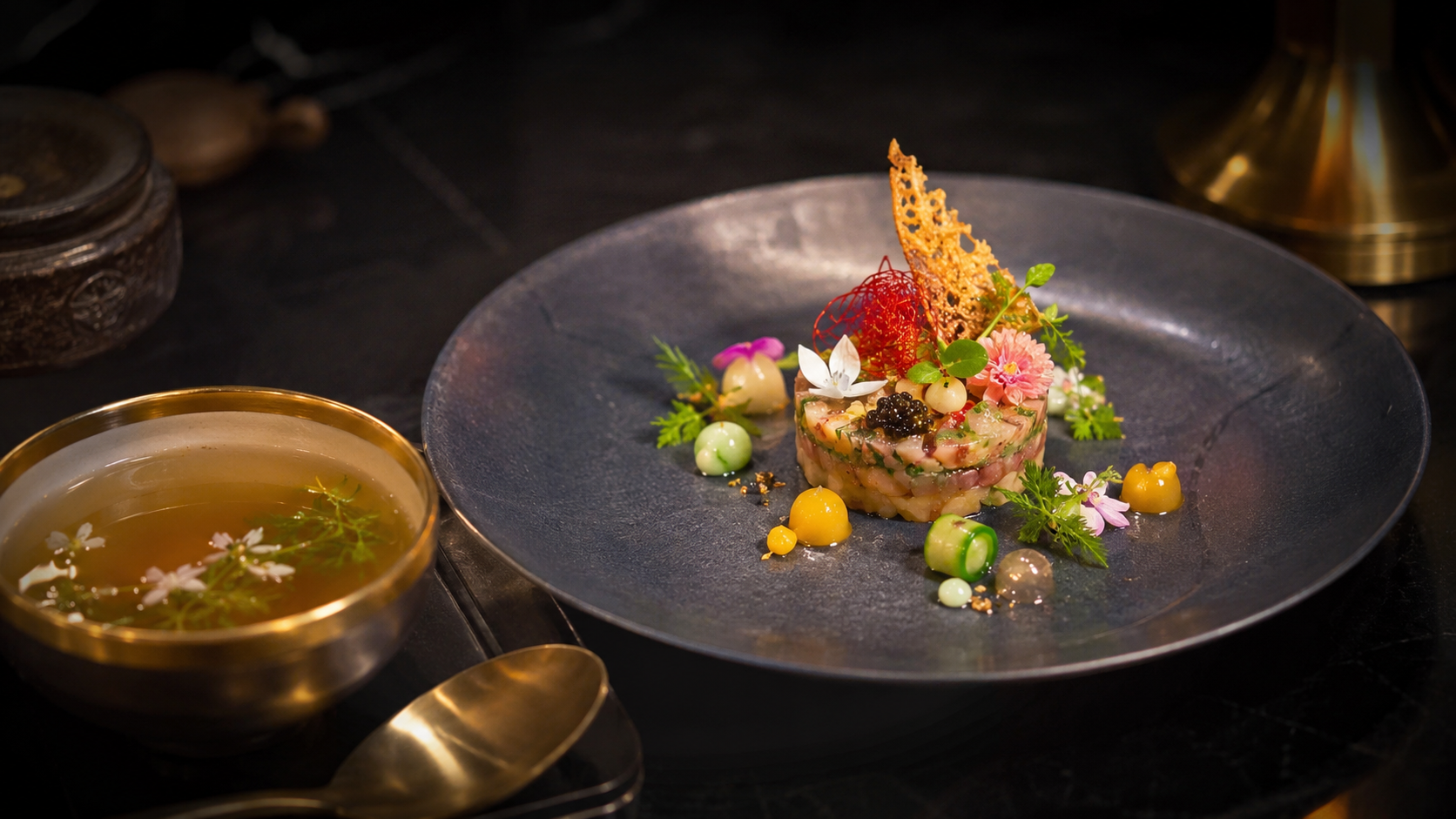
A decade ago, fine dining in Bangkok meant French food in hotel restaurants. If you wanted a tasting menu, you ate European. Thai food — no matter how complex, no matter how technically demanding — was considered casual by default. That hierarchy has collapsed entirely, and the chefs who dismantled it are now among the most respected in the world.
The Turning Point
The shift began around 2015, when a cluster of Thai-trained chefs returned from stages in European kitchens and asked a simple question: why are we cooking someone else's food? Chef Thitid "Ton" Tassanakajohn opened Le Du with a menu built entirely around Thai ingredients and techniques, interpreted through the lens of modern cooking. The restaurant was not fusion — a word that makes serious Thai cooks wince — but rather an insistence that Thai flavours belonged at the fine dining table without apology or compromise.
Le Du's success opened the floodgates. Within a few years, Bangkok had a critical mass of ambitious restaurants — Paste, Sorn, Nusara, R-Haan — each approaching Thai cuisine from a different angle but sharing the same conviction: this food is worthy of the highest stage.
What the Michelin Guide Changed
When the Michelin Guide Thailand launched its Bangkok edition in 2018, it validated what the local food community already knew. But it also introduced Thai fine dining to an international audience that had been largely unaware of it. Suddenly, restaurants like Sorn — which serves a multi-course menu of southern Thai cuisine in a heritage house on Sukhumvit — were being discussed alongside the best restaurants in Paris and Tokyo.
The guide also recognised street food, awarding Jay Fai her now-famous star. But the fine dining awards mattered in a different way. They signalled that Thai cuisine could compete at the very top of the global dining hierarchy, not as an exotic curiosity but as a peer.
The Southern Thai Renaissance
Perhaps the most exciting development has been the rediscovery of southern Thai cuisine. For decades, the food of Thailand's southern provinces — Nakhon Si Thammarat, Trang, Phuket — was underrepresented even in Bangkok. Southern curries are more intense than their central Thai counterparts: heavier on turmeric, more aggressive with chilli, often built around fermented fish and shrimp paste in quantities that would alarm a timid palate.
Sorn, run by Chef Supaksorn "Ice" Jongsiri, has become the standard-bearer for this regional cuisine. Each course tells a specific story about a specific province, with ingredients sourced directly from the south. The yellow curry of crab from Phang Nga Bay, cooked with fresh turmeric and coconut cream pressed that morning, is a dish that makes you understand why someone would build an entire restaurant around a single region's cooking.
The Tension Between Old and New
Not everyone is celebrating. There is a legitimate critique that the fine dining movement prices Thai food out of reach of the people who created it. A twenty-course tasting menu at four thousand baht per person is not accessible to the average Bangkok resident. The chefs involved are aware of this tension, and many of them maintain cheaper, more casual projects alongside their flagship restaurants.
The counterargument is that visibility at the top raises the profile of the entire cuisine. When Nusara wins a spot on the World's 50 Best list, it draws attention not just to one restaurant but to the traditions it draws from — the grandmothers in Chiang Rai making nam prik ong, the fishing villages in Trat smoking their own shrimp paste. Fine dining becomes a lens, not a replacement.
Whether you see it as progress or gentrification probably depends on where you sit. But the quality of the food itself is beyond dispute. Thai fine dining in 2026 is among the best in the world, and the chefs behind it show no sign of slowing down.